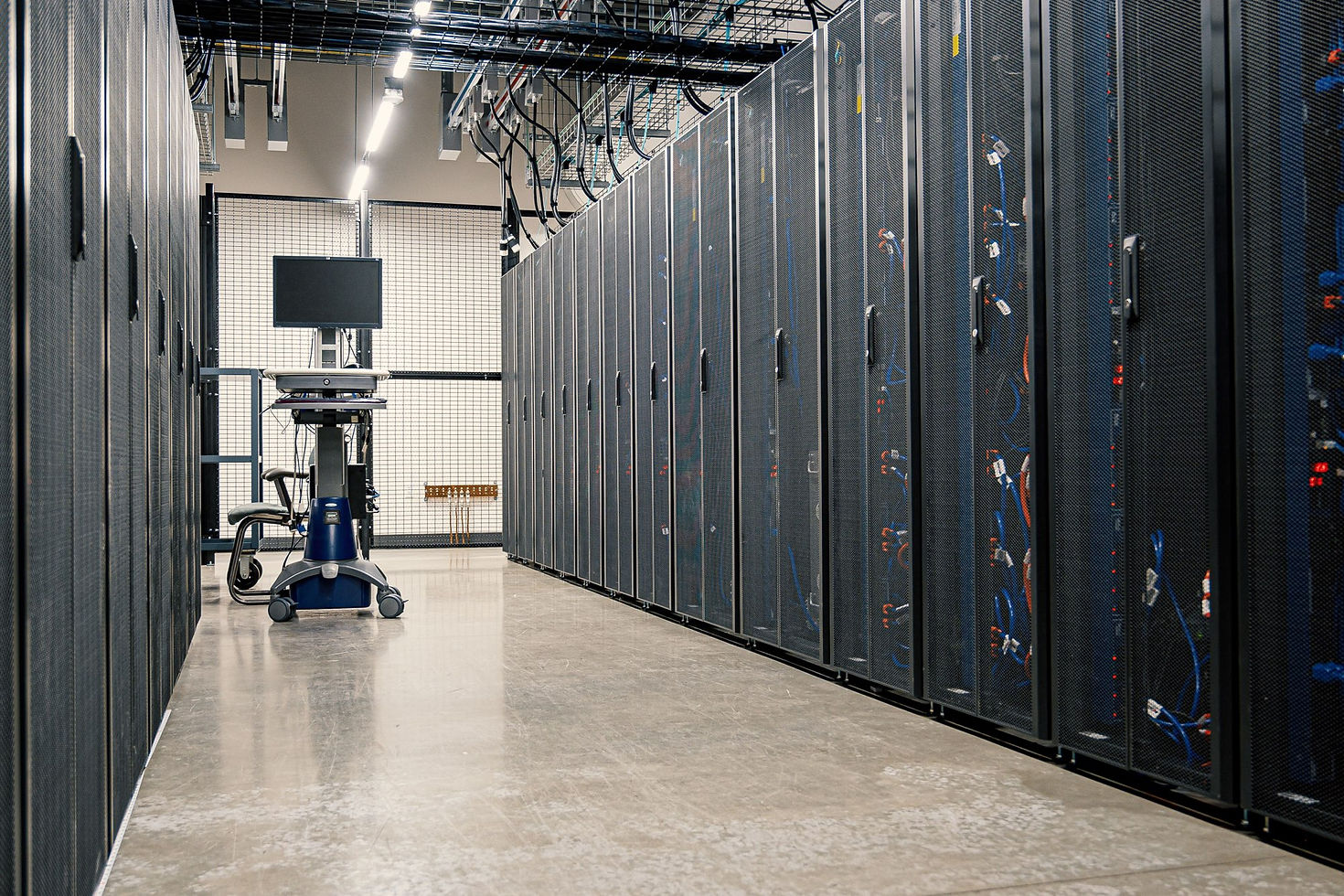
How AI Data Centers Are Changing Fiber Optic Cabling Requirements

Artificial intelligence is reshaping data center infrastructure. Training large AI models requires many GPUs to work together, exchanging substantial amounts of data across the network. As these clusters expand, fiber optic cabling becomes an increasingly important part of network planning.
For operators, the challenge is not simply adding more fiber. It is building connectivity that supports higher bandwidth, greater density, reliable operation, and future expansion.
Higher Bandwidth and More Connections
AI workloads place heavy demands on communication between servers and switches. Network upgrades toward 400G, 800G, and beyond require optical links matched to the selected transceivers and network architecture.
However, higher speed does not automatically mean more fibers per connection. Some optical interfaces use parallel fibers, while others carry multiple wavelengths over a fiber pair. Cable selection must therefore follow the specific interface requirements, including fiber type, connector configuration, and channel layout.
Greater Density in Limited Space
Larger clusters introduce more connections into racks, cabinets, and cable pathways. High-fiber-count cables, compact trunk assemblies, and high-density patch panels can help accommodate this growth.
MPO-based connectivity is one option for managing multiple fibers in a compact interface. The design must also allow technicians to identify connections, access ports, and replace components without disturbing nearby links. Density is valuable only when the installation remains manageable.
Faster Deployment
AI infrastructure expansion creates pressure to bring new capacity online quickly. Factory-terminated trunk cables and patching assemblies can reduce on-site termination work and simplify installation.
These benefits depend on accurate planning. Cable lengths, connector types, polarity, and routing should be confirmed before ordering. Clear labeling and documented connections help installation teams deploy large numbers of links consistently.
Reliable Optical Performance
In densely connected networks, each connector and splice contributes to the optical loss budget. Cabling must meet the requirements of the selected optical interface, with appropriate allowance for the complete link.
Connector inspection, cleaning, bend-radius control, and link testing remain essential. These practices help prevent contamination or installation damage from becoming network faults.
Planning for Expansion
Fiber infrastructure should be considered alongside switches, transceivers, racks, and cooling systems. Providing suitable pathway capacity and accessible patching locations can make later upgrades easier.
Copper remains useful for suitable short connections, while optical links support many longer connections between racks and across facilities. The appropriate choice depends on distance, power, cost, and equipment requirements.
As AI data centers grow, effective fiber cabling combines capacity with practical deployment and maintenance. A well-planned physical network helps operators expand without creating unnecessary complexity.
